Published on 2 September 2026 978 views
Why Your Inner World is a Mirror: Counter-Intuitive Lessons from the GUDCON Story
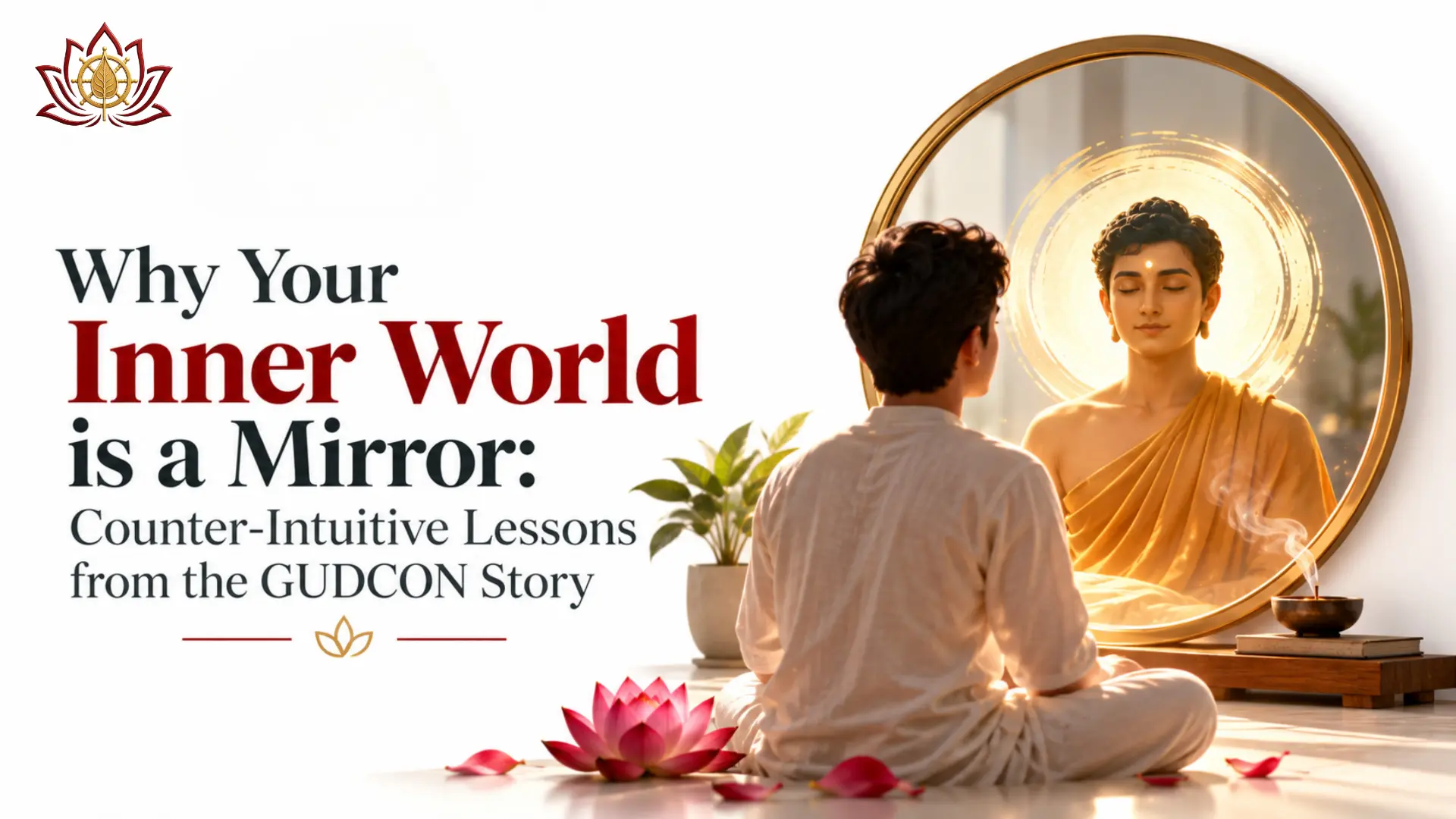
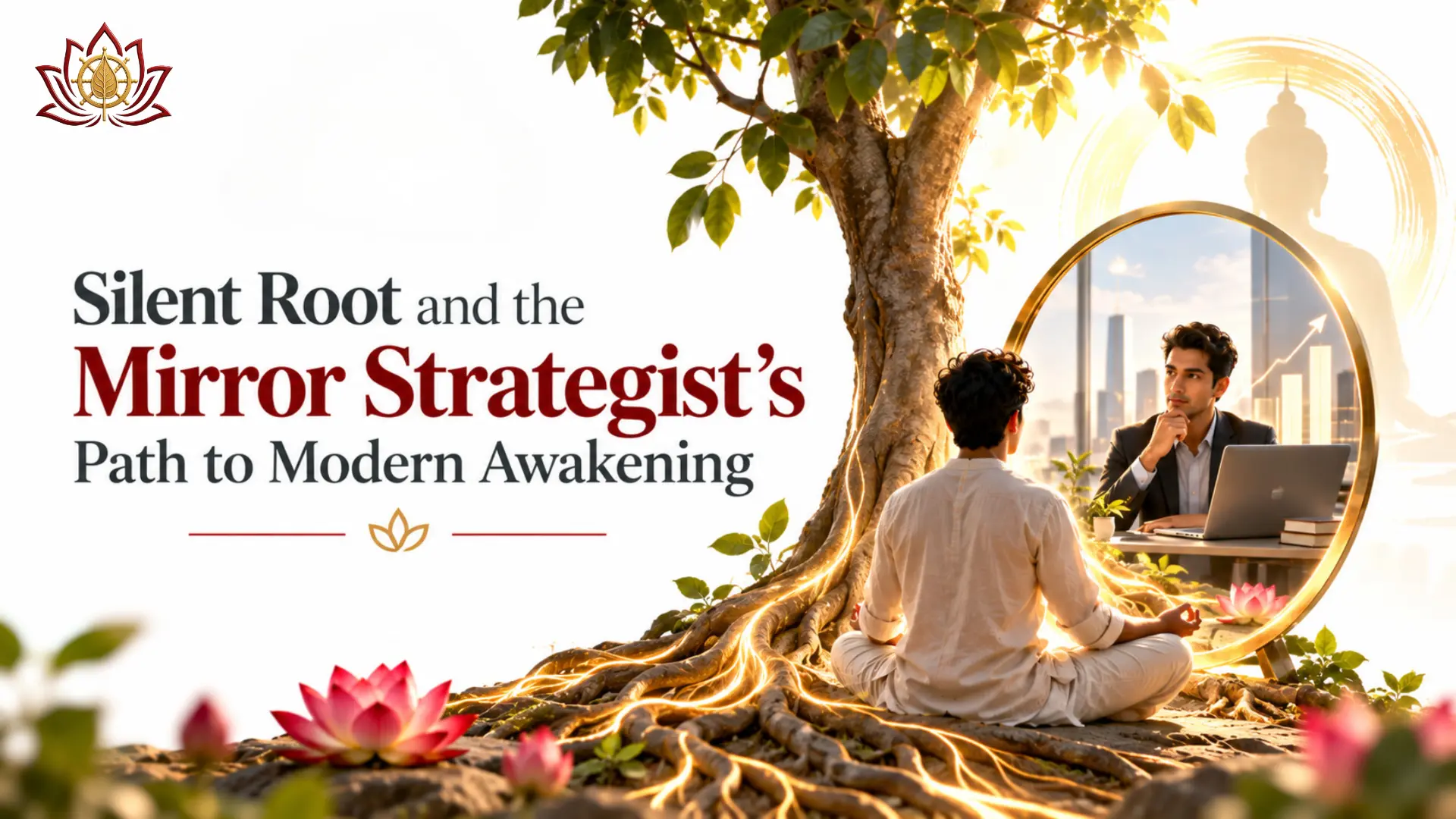
Why do we keep trying to fix the reflection when the source of the image remains unchanged? Five counter-intuitive lessons for the modern soul.
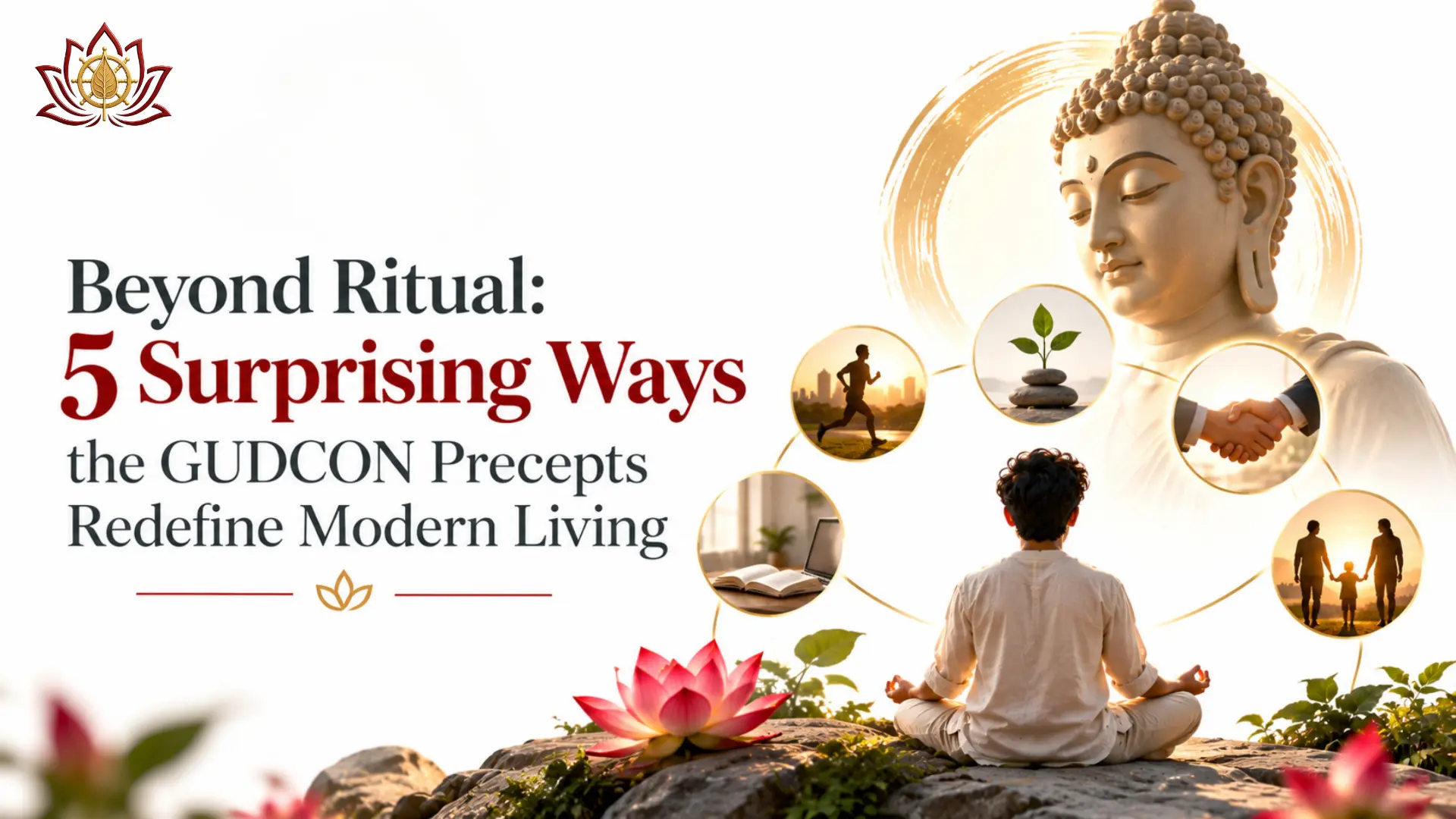
In an age of relentless noise and "quiet desperation," we have become experts at the external. We collect rituals like souvenirs and seek peace in the next possession or the latest mindfulness trend. Yet, the mental restlessness remains. The Global Union of Dhamma Contemplation (GUDCON) emerges not as a new religion, but as a movement toward "conscious spirituality." It asks a singular, haunting question: why do we keep trying to fix the reflection when the source of the image remains unchanged? By looking at the founding principles of this movement, we find five counter-intuitive lessons for the modern soul.
1. The Universe is a Mirror, Not a Genie
The most profound deception of modern "positive thinking" is the idea that the universe functions like a celestial vending machine. We are told that if we say the right words or visualize the right outcomes, reality will bend to our will. GUDCON offers a sharper truth: the universe does not run on a dictionary. It does not hear the language of your prayers or the scripts of your affirmations.
The universe is an uncompromising mirror. It ignores your "speech" and reflects your "state." If you recite mantras of abundance while your heart is vibrating with the frequency of fear, the mirror will only return more fear. This places the ultimate responsibility for reality back where it belongs—within. Real change is not a request made to the outside; it is an internal realignment that occurs when the mind becomes aware."
The universe is a mirror. It shows what you are, not what you want to show."
2. The Bamboo Lesson: Growth is Often Invisible
In a culture of "instant results," we have forgotten the virtue of the underground. GUDCON draws its patience from the Chinese Bamboo tree. For four years, the tree shows no visible growth. To the bystander, the soil looks barren. However, in the fifth year, it shoots up eighty feet in a matter of weeks.
The tree was not idle; it was building a root system strong enough to support its destiny. This is the philosophy guiding GUDCON’s own beginning. Rather than seeking rapid, superficial expansion, the movement is focused on a "90-day path" and a small, accountable community of practitioners. It is a reminder that what we often call a "lack of results" is actually the deepening of roots. If you emerge too early without preparation, you will fall in the first storm."
He was making his roots deep and strong... if he had tried to come out early without preparation, he would have fallen in the first storm."
3. Dhamma is About "
Clinging," Not "
Quitting"
We often mistake spirituality for renunciation—the idea that to find peace, we must leave our lives, our jobs, and our comforts. GUDCON clarifies that Dhamma is not about leaving the world, but about changing the mind’s relationship to it.
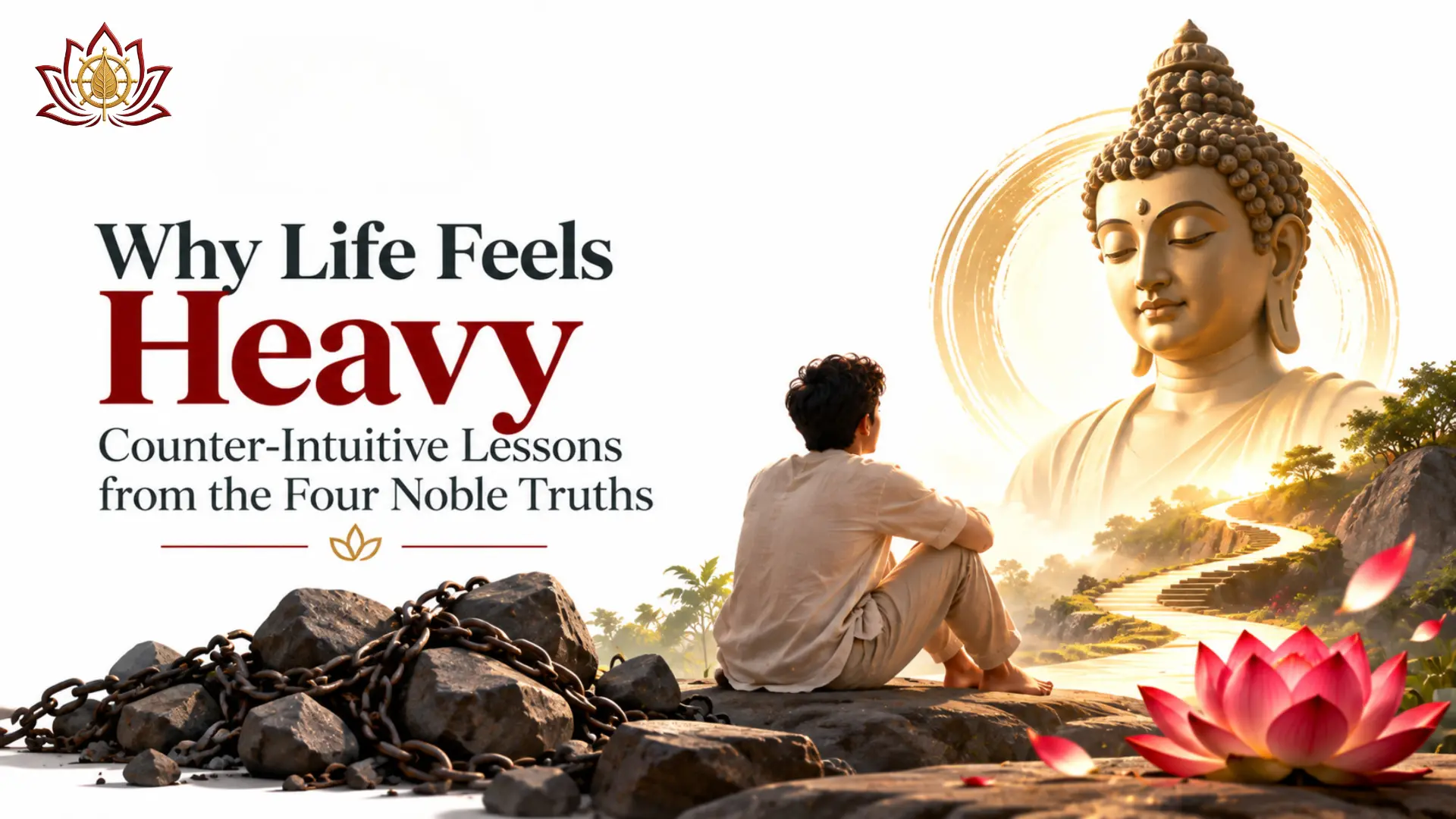
Suffering is not found in the object you hold, but in the way your fingers refuse to let go. This movement teaches that the goal is not to become "nothing," but to become "light." When the mind stops clinging, it becomes buoyant. This shift from external "quitting" to internal "mindful awareness" allows you to live fully in the modern world without being consumed by it. Peace is not born in the absence of things; it is born in a mind that is no longer heavy with attachment."
Dhamma does not tell us to leave things, but to stop clinging to them. Look, understand, stay aware."
4. Redefining Failure as "
Data"
Societal standards treat failure as an identity—a label that brands you "broken." GUDCON redefines failure as a social construct and a necessary teacher. Think of Thomas Edison, who famously noted that he hadn't failed 1,000 times, but had simply found 1,000 ways that didn't work.
Every "wrong path" is merely data, a pointer toward the correct direction. The only true spiritual failure is standing still. When we view our mistakes as a classroom rather than a courtroom, we find liberation. We realize that falling is not the opposite of walking; it is the first condition of it."
Falling is the first condition of learning to walk."
5. Trust (Bhrush) is the Only Real Prayer
GUDCON redefines prayer from a ritual performed in a temple to an internal state of Bhrush —an unwavering trust in one’s own existence. In this framework, self-doubt is not a personality trait; it is a rejection of the very divinity or energy that created you.
Trust is the courage to stand by your own experience, even when you feel shattered. It is the ability to say, "
I am broken but not wrong; I am fallen but not finished." When you stop seeking external validation and start honoring your own internal voice, you stop reacting to the world and start mastering it. Reciting the sacred mantra is not a plea for help, but an invocation of this internal awakening."
Namo Buddhay Namo Buddhay / Buddhay Buddhay Namo Namo / Namo Dhyanam Namo Karmam / Buddham Buddham Namo Namo"
Conclusion: The Path Inward
The GUDCON vision is to create a society where Dhamma is visible in our actions and our peace, not just in our books. It suggests that the "quiet desperation" of modern life can only be cured by aligning the inner world so that the outer mirror reflects clarity and balance.
If the universe is truly a mirror, the search for "more" is a hollow pursuit. Instead, we must look at the source of the reflection. If you stopped trying to "become" something else today, what roots would you finally have the energy to grow?
“The universe is a mirror. It shows what you are, not what you want to show.”
Published on 2 September 2026 · GUDCON